

A quick note about something I’ve been working on.
In addition to what I write here, I’ve spent the better part of the last several years covering exchange-traded funds (ETFs) for financial publications in the United States and, since moving to Spain, Europe.
I’m bringing that work together in a new Substack called WTF Is an ETF?, which debuts on January 4. We’ll look inside ETFs to see what investors actually own, how to diversify without inadvertently doubling down on the same stocks, and how to put together a portfolio of ETFs that complement one another.
And because I think of ETFs much like I think of the cassette mixtapes I made growing up and the playlists I make and listen to now, I’m going to construct actual music playlists inspired by the ETFs we analyze, applying some of the same selection criteria fund managers and index providers use to select stocks. We’ll explore the art of putting together an investment portfolio alongside the art of making a great playlist.
Much thanks to the great Kevin Alexander for inspiration on this idea.
Whether you’re relatively new to investing, a seasoned DIY investor, or a financial advisor, I hope you’ll subscribe ahead of the January 4 debut.
Now let’s talk about cities…
The fact that the morning routine I’m about to describe is widely accepted as completely normal in the United States is nothing short of a national disease.
The fact that it contains only a fraction of the maneuvering large swaths of the country do on a daily basis still blows my mind.
And the reality that there are people—all over the world, including here in Spain—who aspire to this type of life is a mindfuck of epic proportions.
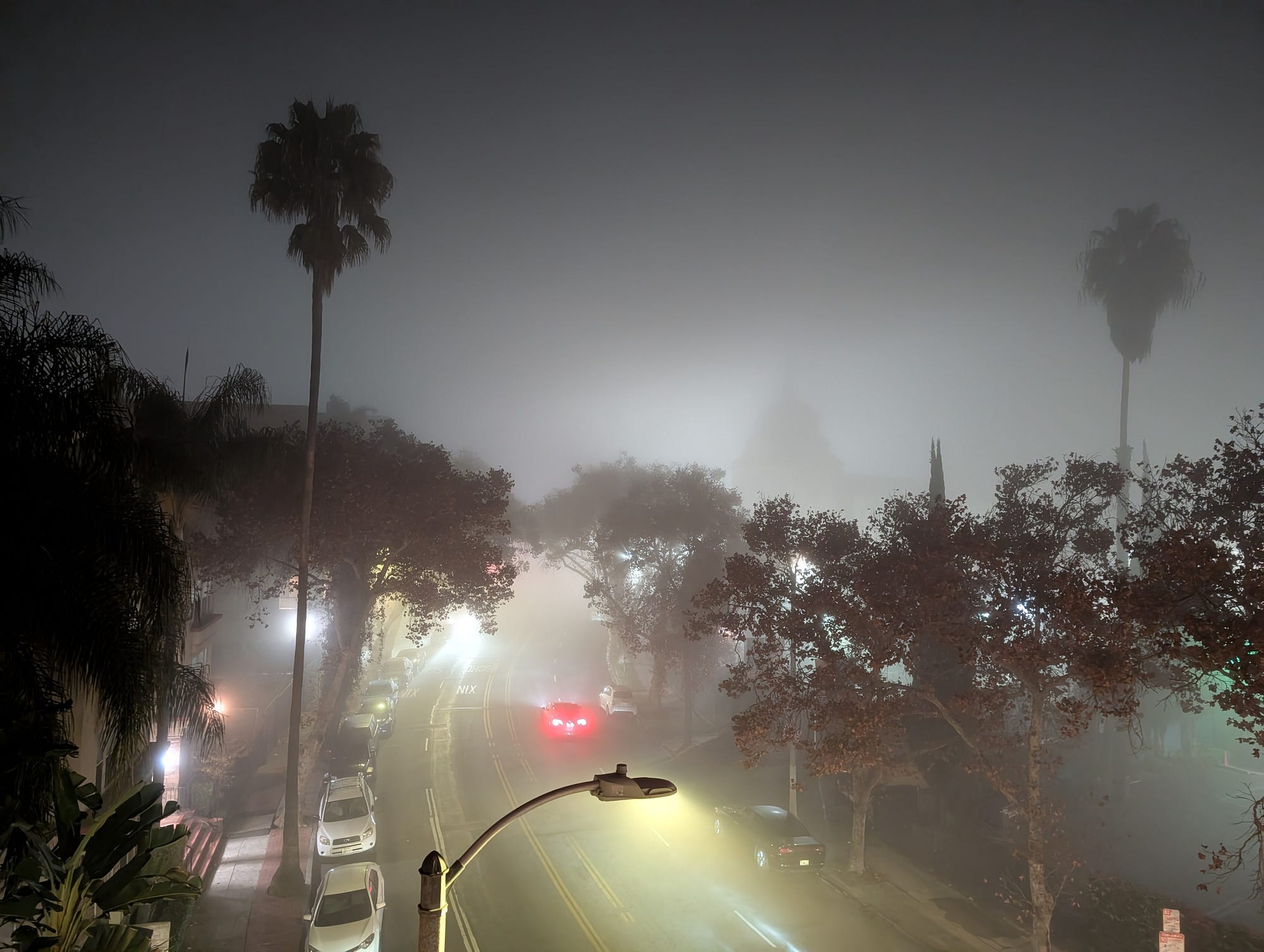
My wife and I lived in Central Los Angeles. That’s not downtown. It’s about 20 minutes—without traffic—west of downtown. We were just a few blocks south of the heart of Hollywood.
We lived in a 100-plus-year-old brick apartment building best described as situated between Larchmont Village and Hancock Park. This building would not have been out of place along Central Park West in Manhattan.
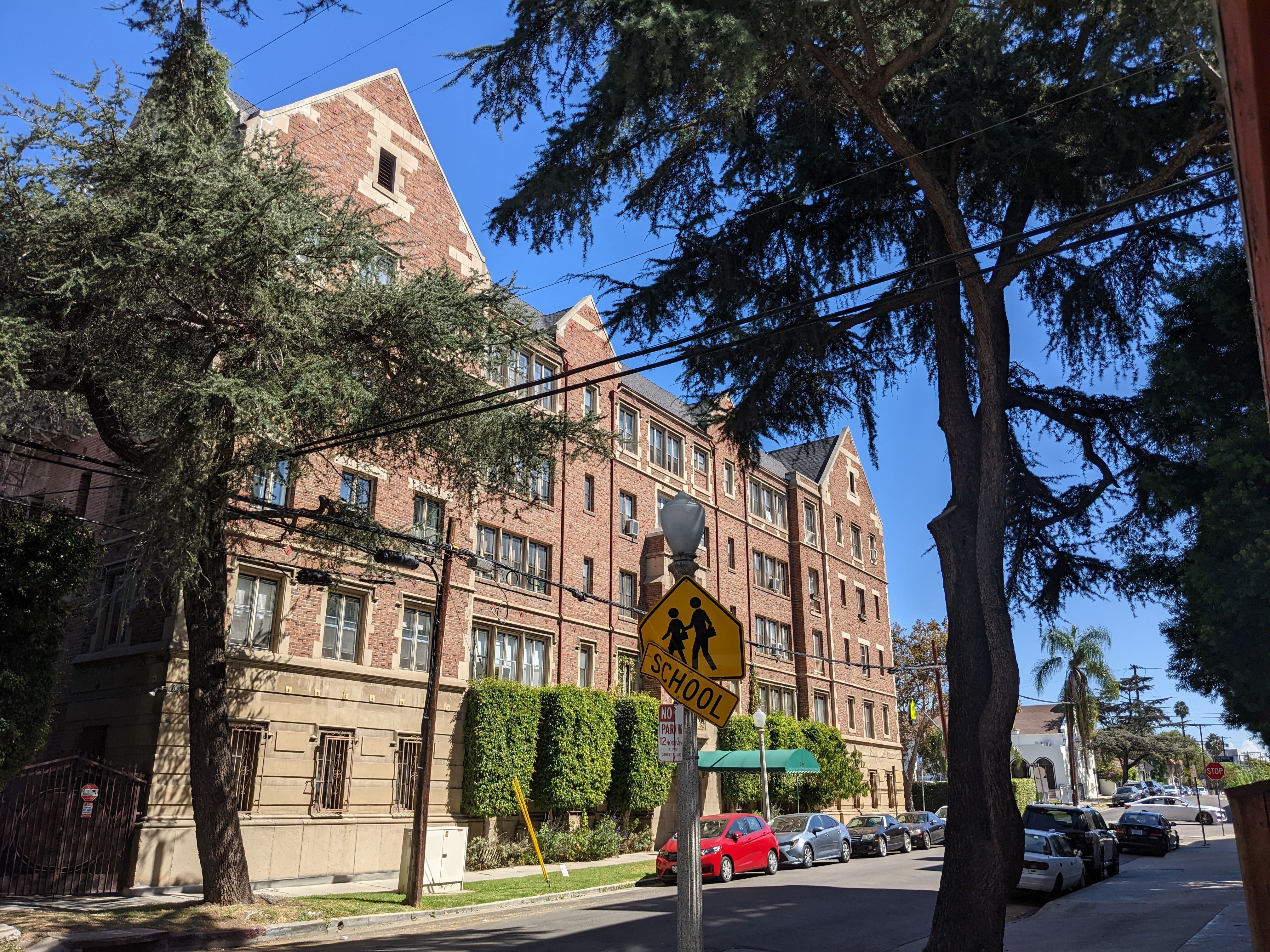
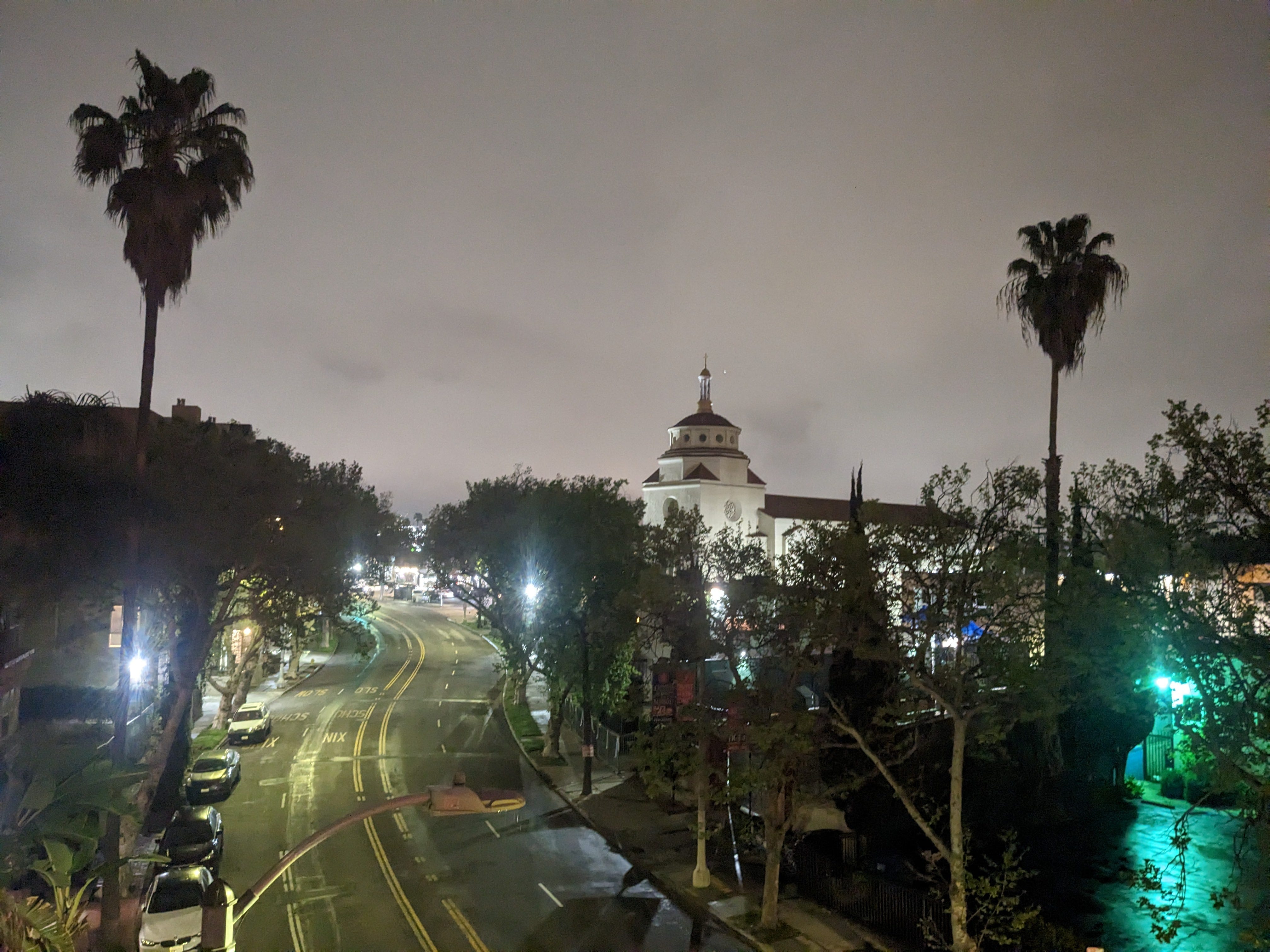
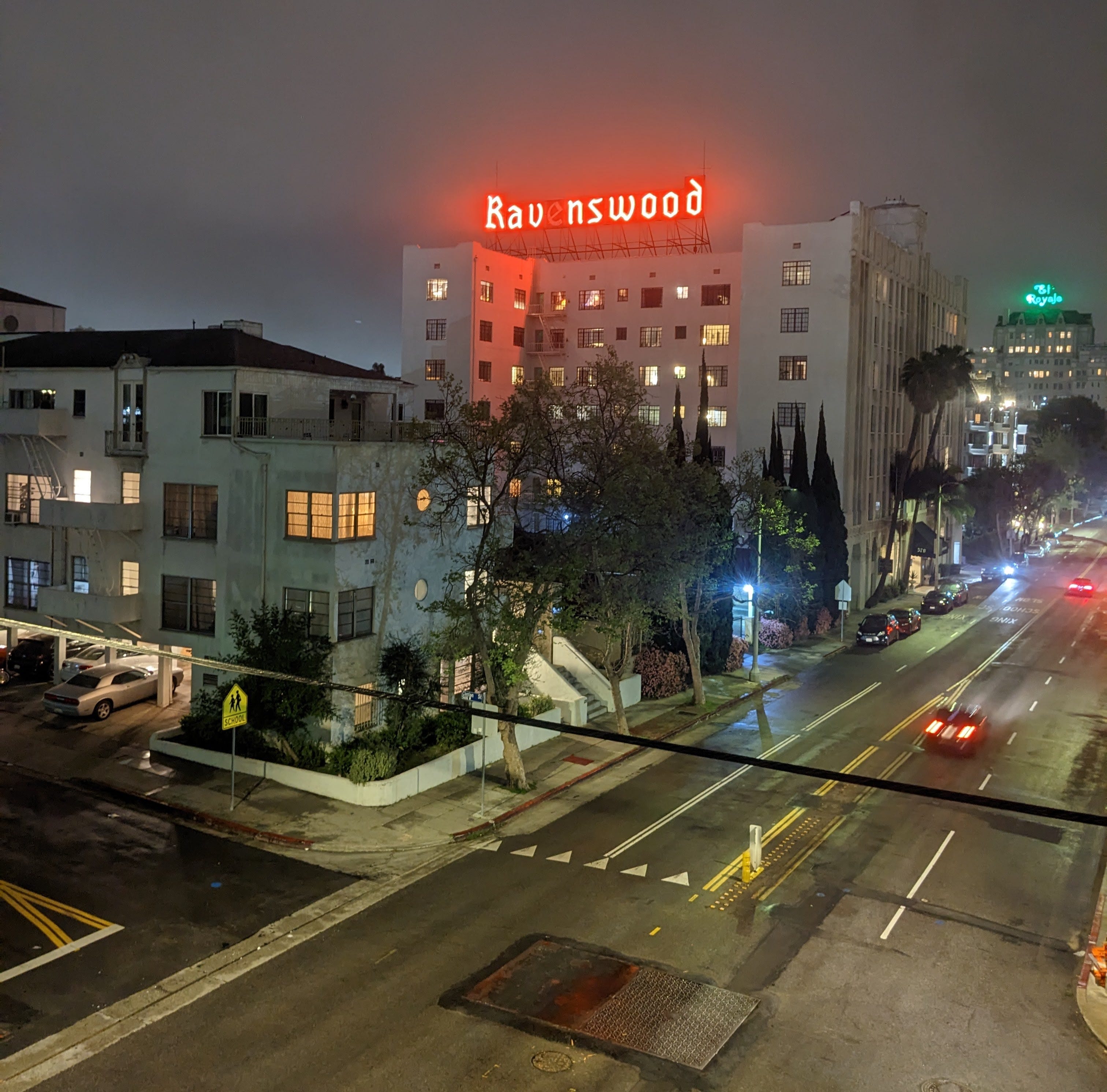
I’ll say this. If you’re going to live in Los Angeles, there are worse places to be than where we were.
But it still sucked, particularly relative to other available options, such as actually living near Manhattan’s Central Park or where we live now in Valencia, Spain.
The images above represent the aesthetically pleasing version of place that people post on Instagram. While our lives in LA certainly did not suck, the overall environment and the ways we had to comically navigate it did.
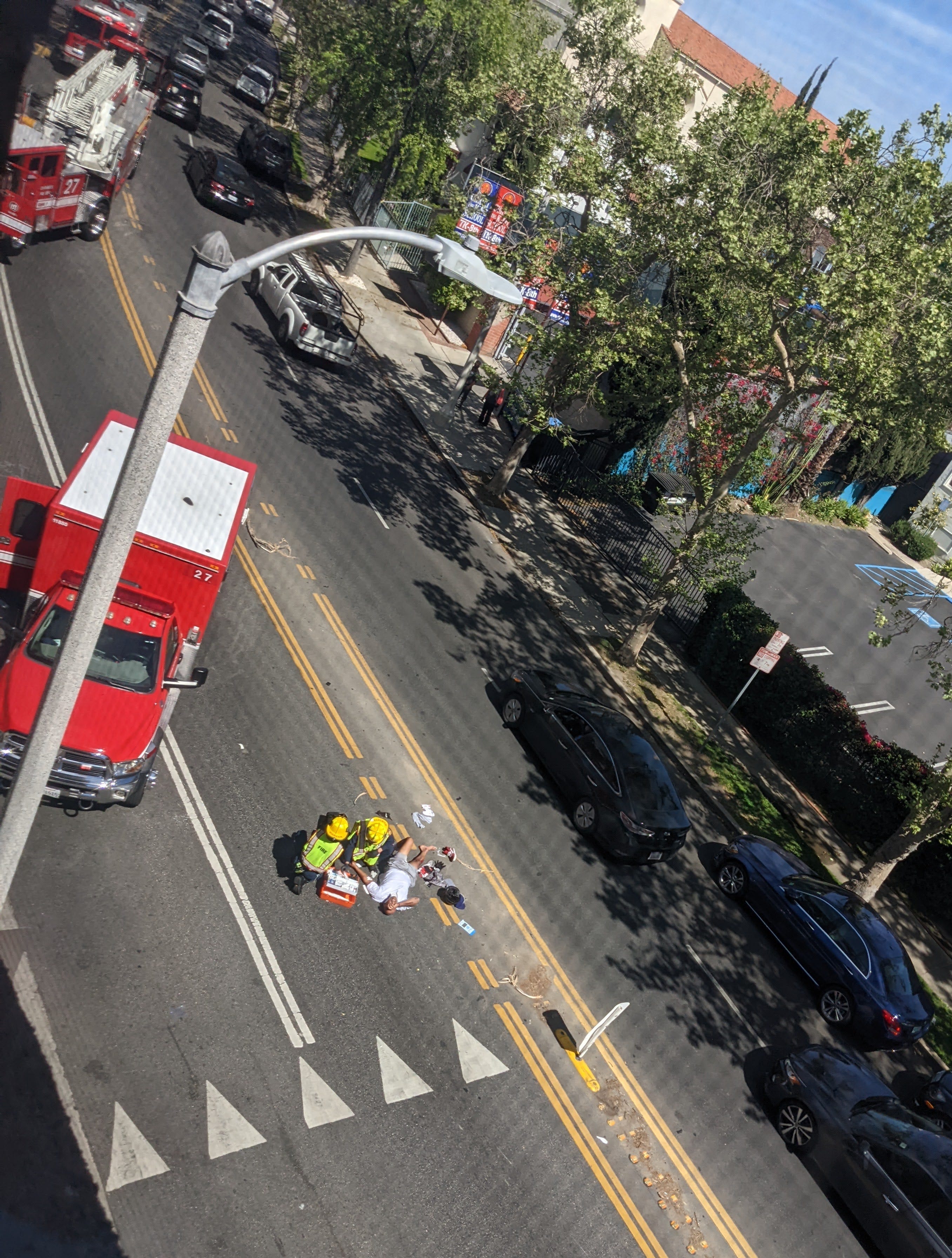
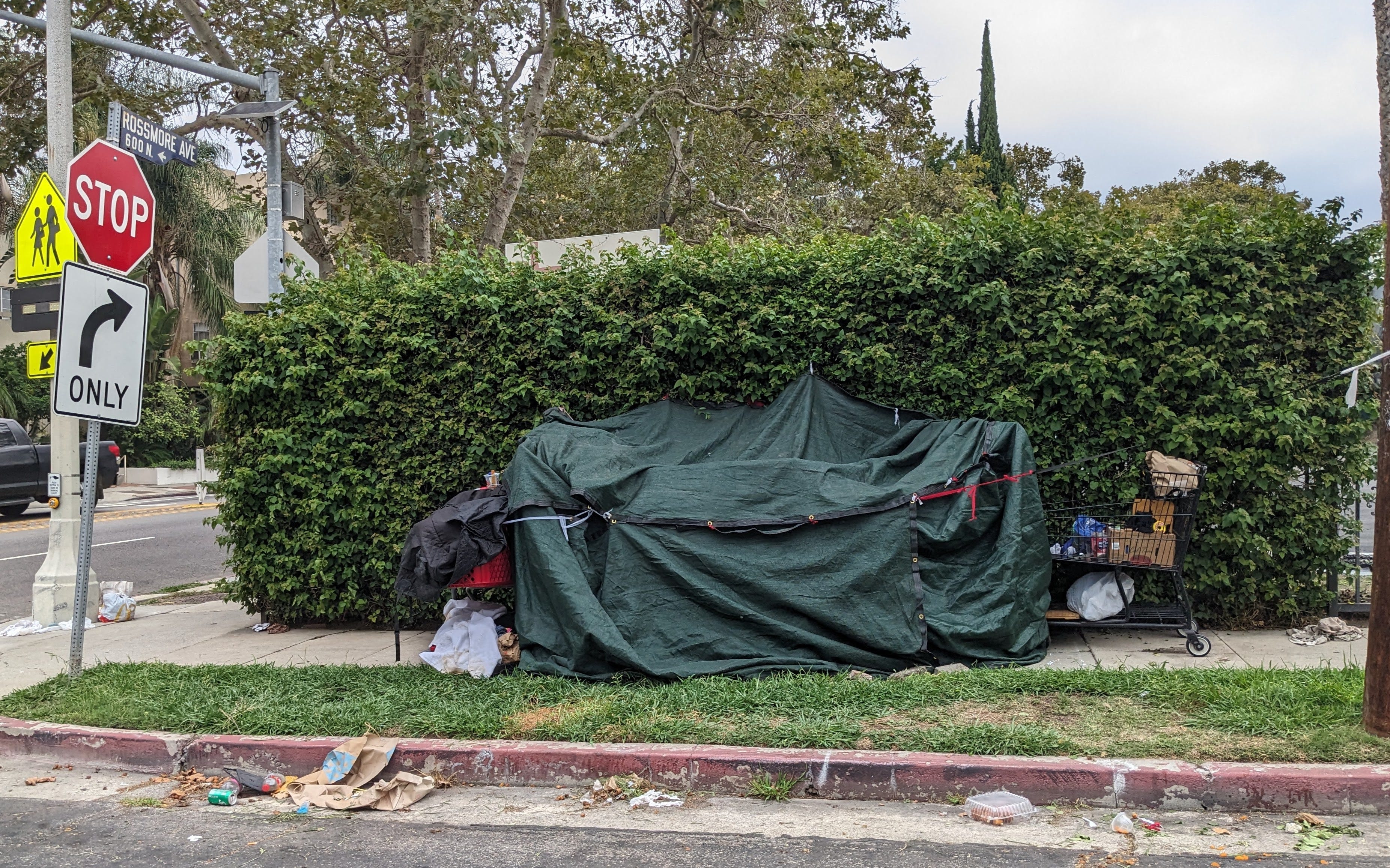
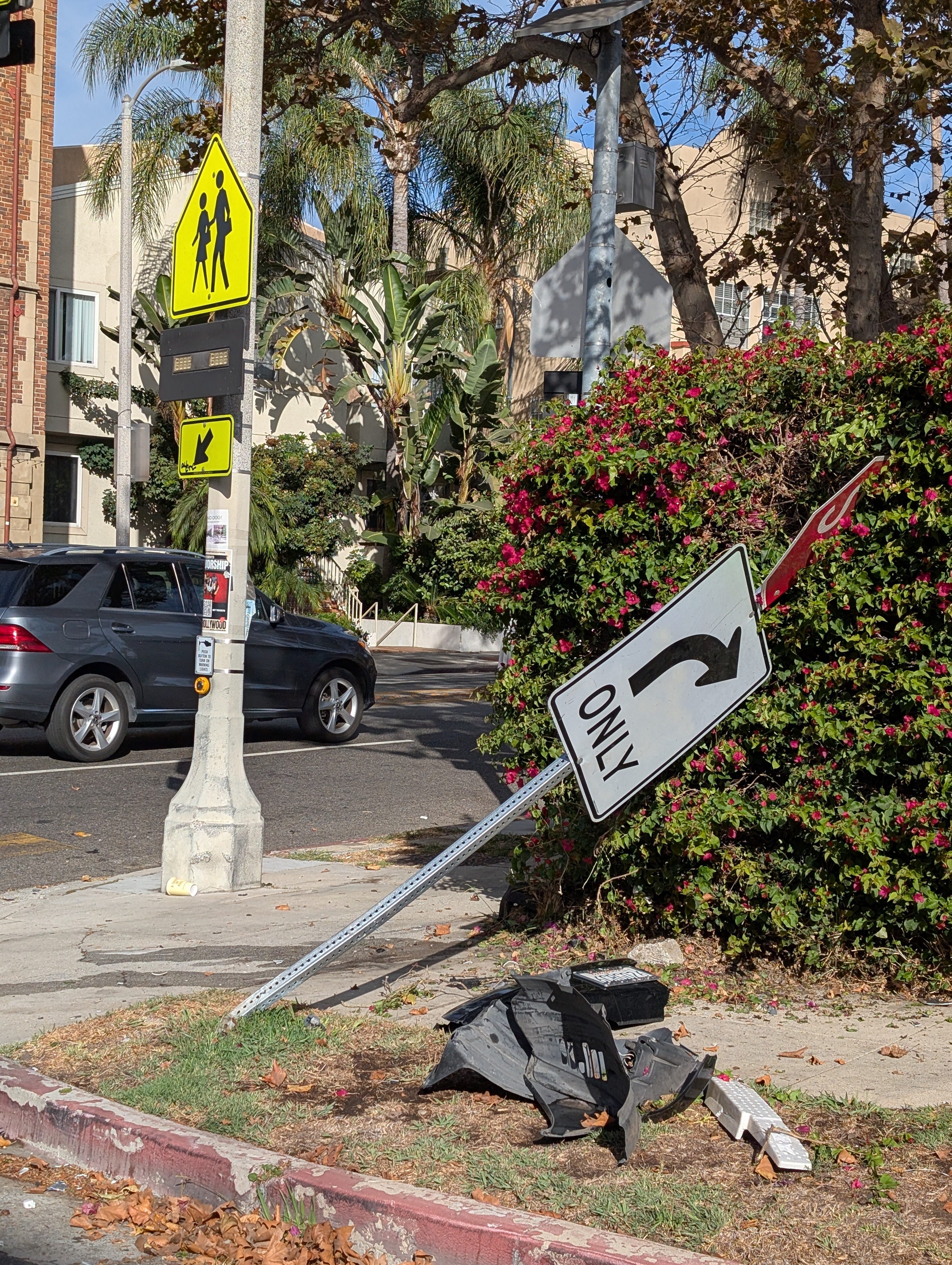
From this perch, my wife would go to work most mornings of the week. Prior to our January 2025 move to Spain, we went down to one car. So I’d drive her to work.
This was a 1.7-mile journey that typically took 5–10 minutes by car, but was an unpleasant 37-minute walk, according to Google Maps. She walked it once in a while. I walked it more than a few times. Take it from me, it’s not a walk you look forward to or enjoy.
That’s the story of so much of Los Angeles, so much of other places like it, and so much of suburbia. Sure, you could walk, but why would you put yourself through that on a regular basis?
From there, I’d often travel another five minutes or so by car to Whole Foods. On foot, another, somewhat less shitty walk that would’ve taken roughly 22 minutes. Actually, I’ve done that walk—it’s a pretty shitty grind overall.
From Whole Foods, I’d stop at Trader Joe’s—a five-minute straight shot along Santa Monica Boulevard in the car that would take 17 minutes on foot.
Then, the drive home—eight minutes by car, but, if I wanted to torture myself by walking, we’re talking 41 minutes.
So the entire outing covered 5.4 miles. I’d be in or out of the car no less than six times, driving for a total of 20 to 30 minutes. Google Maps says I would’ve wasted one hour and 56 minutes of my life if I walked the entire route.
Separate from all of this, our near-daily trek to yoga covered 2.4 miles and typically took between 15 and 20 minutes in the car whereas a stroll would’ve taken 55 minutes through some of Central LA and Hollywood’s most soulless terrain.
I mean who in their right mind is going to—or who has the time to walk two hours to do things that take a few minutes each or, in the case of yoga, about an hour? And you’re sure as hell not going to do it in environments that basically treat you like shit because you decided to not use a car.
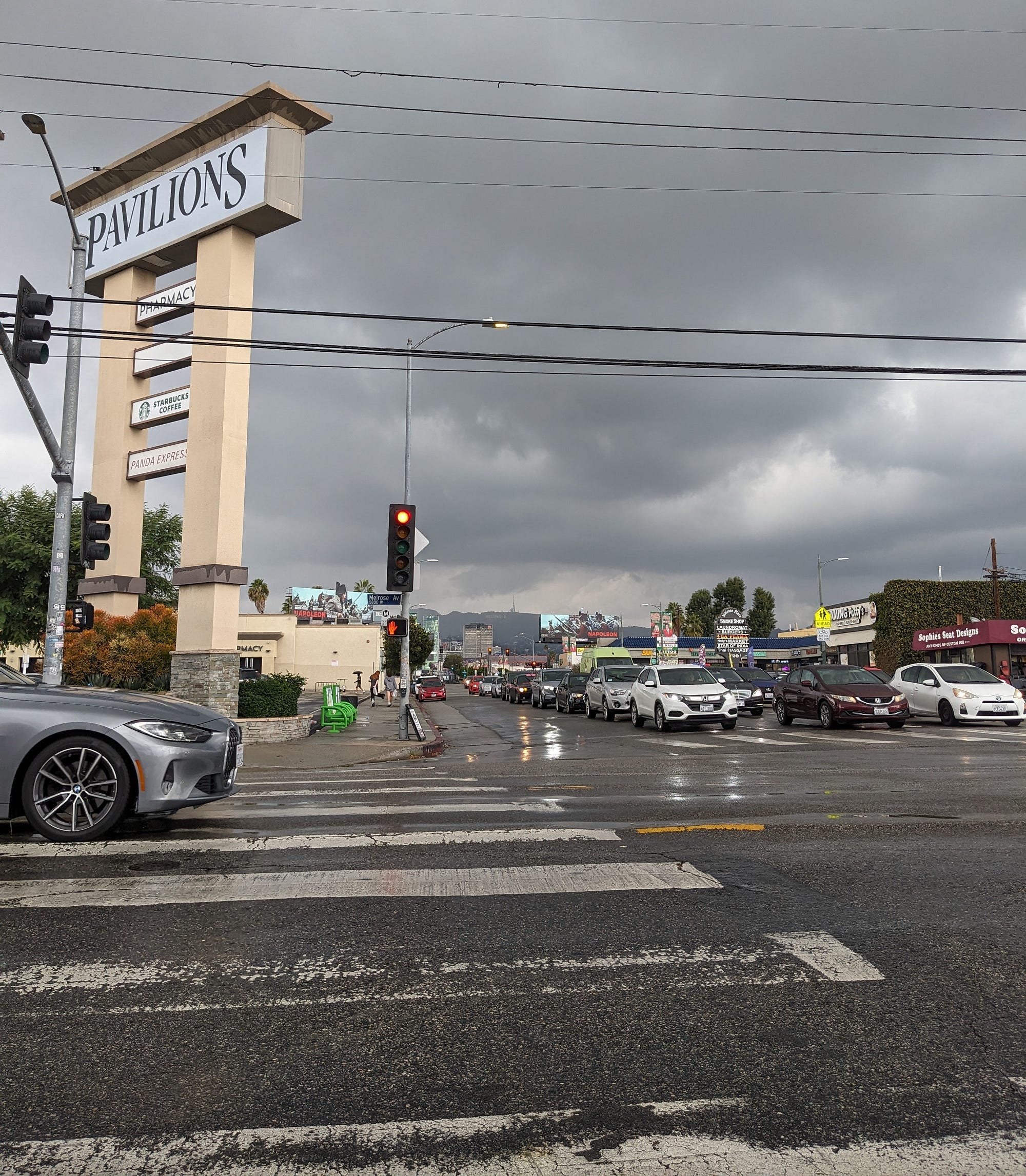
What’s most absurd—and really a disgrace—about all of this is that we’re not talking super long distances. These are mundane daily tasks located within a mile or two of one another smack dab in the middle of a major metropolitan area. The idea that they’re all located even that far from one another—especially the grocery stores—is just insane.
LA—and, again, other cities like it and suburbia—don’t need Manhattan-like density. They just need to build neighborhoods that don’t cater primarily to, and often, only to the car, thereby decreasing the distance between the things you need and want so you can walk and bike to them without a problem. I firmly believe that if you design with this as your guiding principle, social media-worthy aesthetics and pleasant, human-scaled environments naturally follow.
Take my neighborhood in Valencia—Russafa. My neighborhood has the density of Manhattan’s best neighborhoods.
In the morning, my wife and I walk three minutes to the coffee shop. If we drove—which we can’t because we don’t have a car or driver’s licenses—it would take five minutes, but really more because we’d have to fetch the car from wherever we stored it.
From there, we typically walk to a nearby corner—two minutes—and she walks four minutes to work, a trip that would actually take seven minutes by car.
For yoga, we bike about six minutes to complete a trip that would take 12 minutes in a car.
I won’t get into details. You can play with Google Maps yourself. But throughout Valencia’s core and other cities with similar compositions, you’ll routinely find that walking and biking frequently take less time than driving or even the Metro. Often much less time. And, even if they don’t, you’re taking a walk or bike ride that feels good and does the body good.
Plus, when we go out for whatever or when I make my morning run to the municipal market—two-minute walk—or to one of my two favorite supermarkets—four-minute walks—I almost inevitably bump into a weak tie and have a conversation that positively contributes to my mental and social well-being.
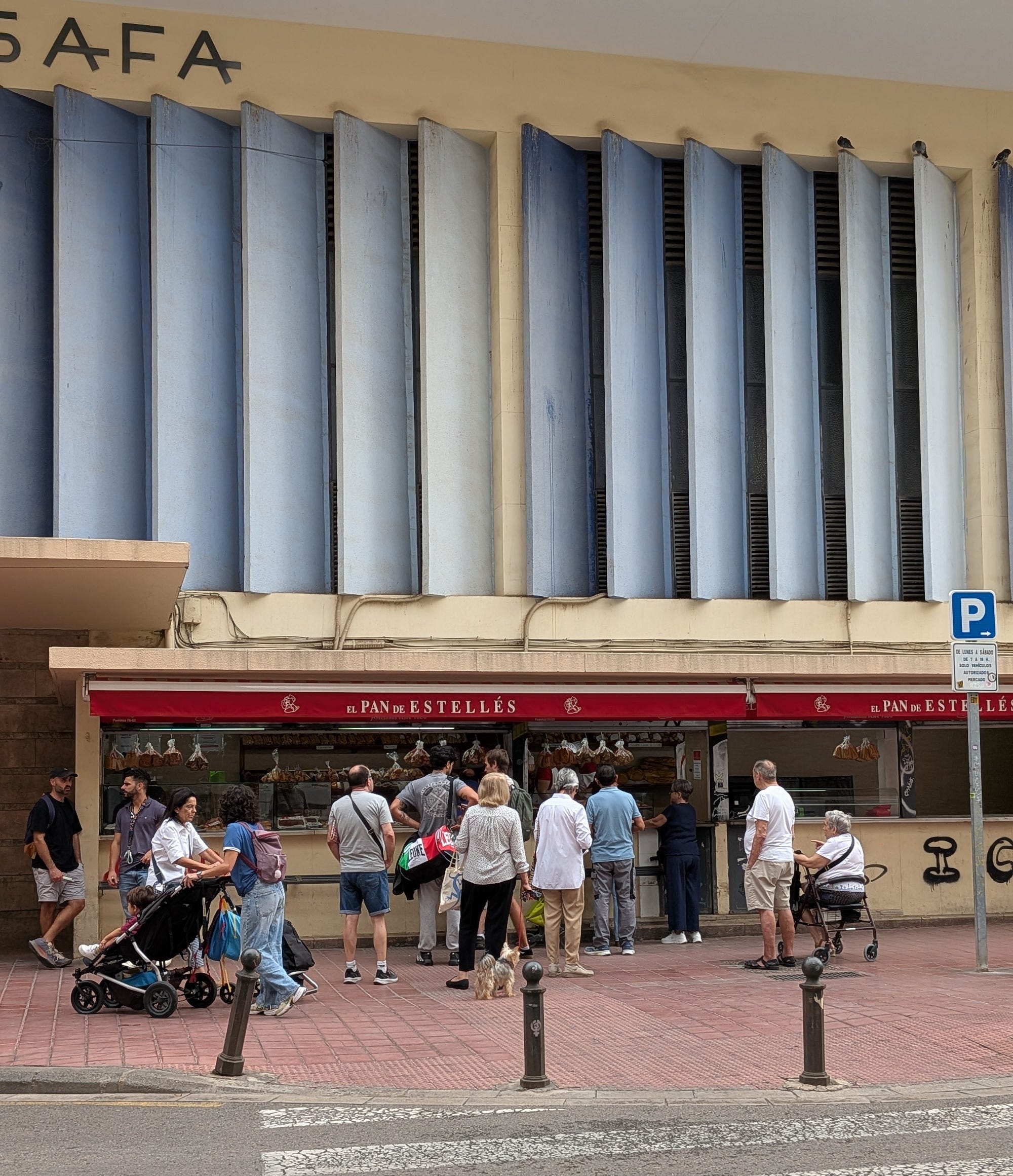
You get relatively little of what I describe in those last two paragraphs in a vast majority of environments conceived, designed, and developed primarily for the private motor vehicle.
I focus on LA because I lived there last before leaving the country, but it’s generally representative of a car-dependent nation, even if the specifics vary between places.
Mobility confused with convenience and accessibility
In the United States, transportation for many people is an activity in and of itself. For some, it’s a pastime. I remember as a kid being asked if I wanted to “go for a ride in the car.”
In good urban neighborhoods, travel is an almost incidental component of everyday life. You don’t have to think. You just leave the house, free your mind, and the rest will follow.
You go for walks, not drives.
The prevailing approach to planning in the United States tries to solve accessibility with mobility. Rather than bringing the necessities closer to people, the U.S. devotes a disproportionate share of its transportation and city planning resources to getting people to them.
I’ve been writing about this stuff for 25 years. So Spain didn’t change me. Like San Francisco did at the beginning of my city-loving days, it gave me the type of life I’ve always wanted and helped me develop a better—and ever-evolving—understanding of how and why we organize ourselves the ways we do.
So it never ceases to amaze me that car dependency persists. Even among people who have experienced true city life.
I’ll be the first to tell you that the suburbs here in Spain can be almost as bad as the ones in the United States. I say almost because many of them have functional bike networks and decent or better transit connections. But they’re still car-dependent places with low-density, parking lot-style development that makes life considerably less convenient.
Convenience aside—car-centric development is just an unhealthy system.
As I noted the other day, “the World Health Organization estimates 1.16 million people die annually in road traffic crashes worldwide. That’s before accounting for the health effects of vehicle emissions and the social consequences of car-dependent development. Thanks, in part, to car dependency, we’re lazier, we’re fatter, less engaged, and less satisfied with life.”
Do people who aspire to suburbia—or some other form of car dependency—just not know any of this? Are they looking the other way because they attach a certain status to a certain type of life? Or are they—especially if they’ve experienced good, solid city life—just gluttons for punishment?
So, even though much of this tendency was born in the USA, it really has less to do with nationality than it does with the decisions we make—collectively in the US and around the world—about how we organize ourselves. We can develop environments that facilitate everyday life or ones that force us to expend considerable time, money, and energy just getting to the places where it happens.
I take heart not only in my day-to-day routine, but in the other side of the stark reality I described here. That many places around the world are putting the car in its proper place and building or retrofitting environments that put people, bikes, and public transportation first.