

We’ll be in Paris for the entire month of April.
The idea is to treat the city the way we treat Valencia: work in the morning, then walk for hours and pay attention to why Paris works—the bikes, bars, restaurants, cafés, the people, the urban form, the culture.
I’ll be taking notes and will publish a Dispatches from Paris series in May.
If you’re not subscribed—or want to add extra support to help expand my work to cities and systems beyond Valencia—it’s appreciated.
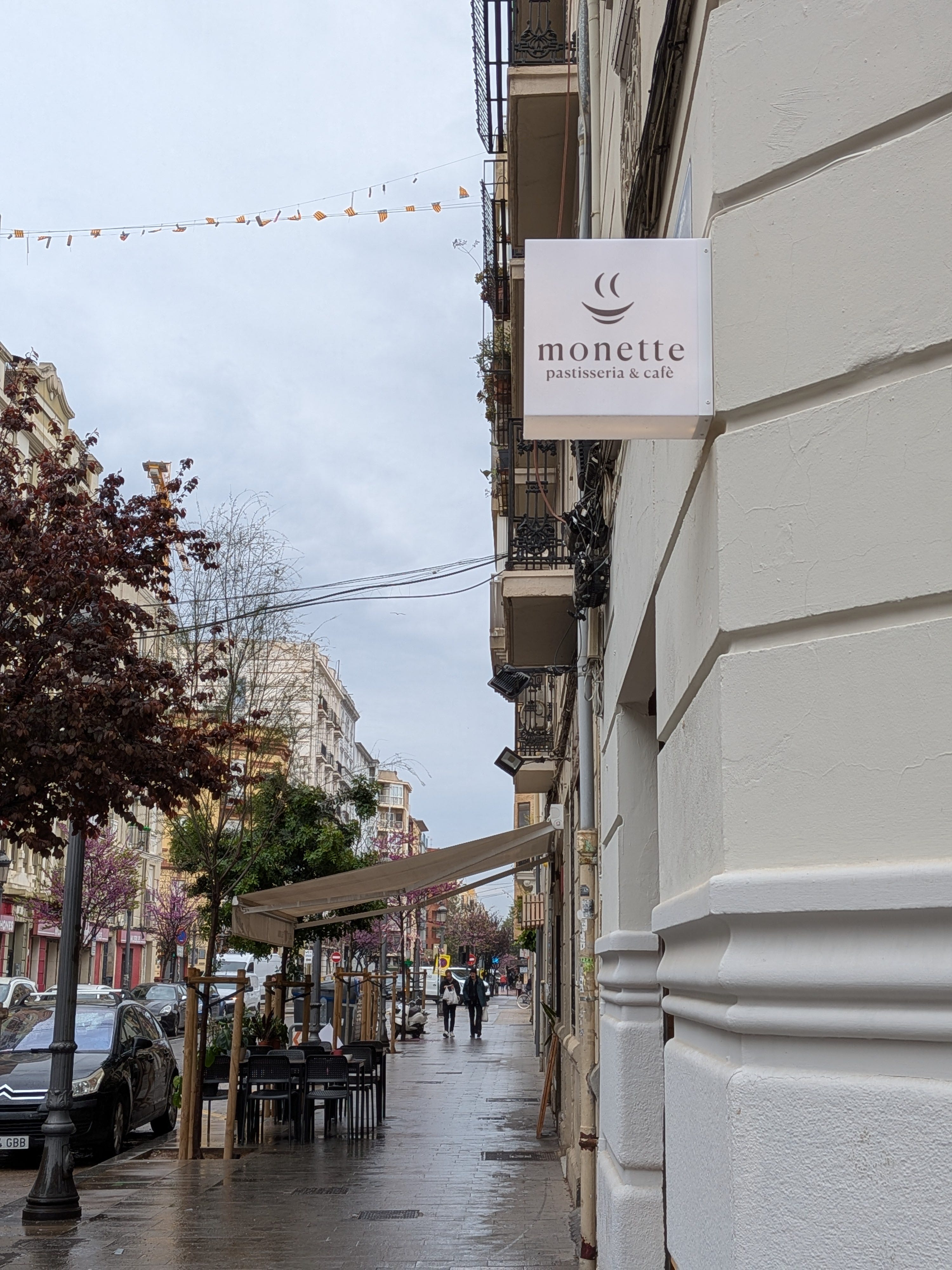
Walking through my neighborhood in Valencia never gets old.
Almost every time I head out—even for basic errands—I notice something new.
And that’s because I have options.
Constant opportunities to turn left or right. There’s always another café, another bar, another plaza.
Walking around feels free and flexible—not like you’re just hoofing it to your destination.
That’s one way to define walkability.
Having constant choices—to keep going, turn, explore—might seem insignificant.
But they’re one of the most important reasons some cities feel alive while others feel dead.
And it comes down to one factor that people often overlook—or fail to acknowledge in the first place.