

I use my education and background in urban studies every single day.
In most of my writing. And in my daily life.
An hour doesn’t go by where I don’t read, see, or think something and consider the urban planning, policy, or design components of what I’m observing.
That’s because urban planning touches pretty much every single aspect of our lives. Even when most people don’t notice it.
When a place feels alive, you can trace it directly to urban planning decisions—past and present.
When a place feels hostile—planning.
If you can walk, take transit, or ride your bike—urban planning determines if it’s possible and how easy (or hard) it is.
Car dependency. Pedestrian-focused streets. Vibrant or dead public space. That’s planning.
It shapes whether bars, restaurants, and shops thrive or struggle. It influences whether neighborhoods connect or fragment. It determines—often more than we realize—whether daily life feels convenient or exhausting.
It impacts physical and mental health—directly, acutely, and over decades.
No matter what I’ve written about over the years, urban planning has been at the core—or at least a significant force beneath the surface.
Never Retire? That’s planning. Housing costs, zoning, transportation—they dictate how expensive life is and how long you have to work.
The move to Spain? That was an urban planning decision before anything else. If you’re moving for political, sociocultural, or lifestyle reasons, you’re often moving because of how a place is built and governed.
Stress, anxiety, sense of belonging and community. Many of the psychological forces that weigh on us — or lift us — are rooted in the built environment we inhabit.
In undergrad, I majored in urban studies—so I took urban geography, urban sociology, urban politics, urban economics, and urban anthropology. Just to name a few. This led me to environmental and community psychology. Which led me to classes in public policy and administration.
In graduate school, I was enrolled in a PhD program in planning, policy, and design.
I published papers on health and community psychology. I conducted anthropologic research in Los Angeles’s Skid Row.
I left the program and became a freelance writer. I never published the book I imagined from that work in LA. Though you can buy the one I did write at this link.
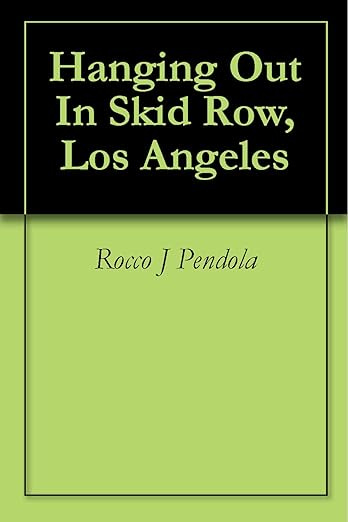
It’s some of my earliest writing.
And it sets the stage for everything I do today—professionally, personally, and in my daily rounds.
Everything you see around you has urban planning written all over it.
The distance between your house and the grocery store. The number of lanes on the road outside your apartment. Whether there’s a bench in the shade. Whether you hear birds or engines. Whether a child can walk to school. Whether you know your neighbors.
These are policy decisions made decades ago that continue to shape your psychology—your life—today.
More than almost any other field, planning has concrete, physical, and emotional consequences.
I’ve been writing about it all along.
It’s the lens through which I see life.
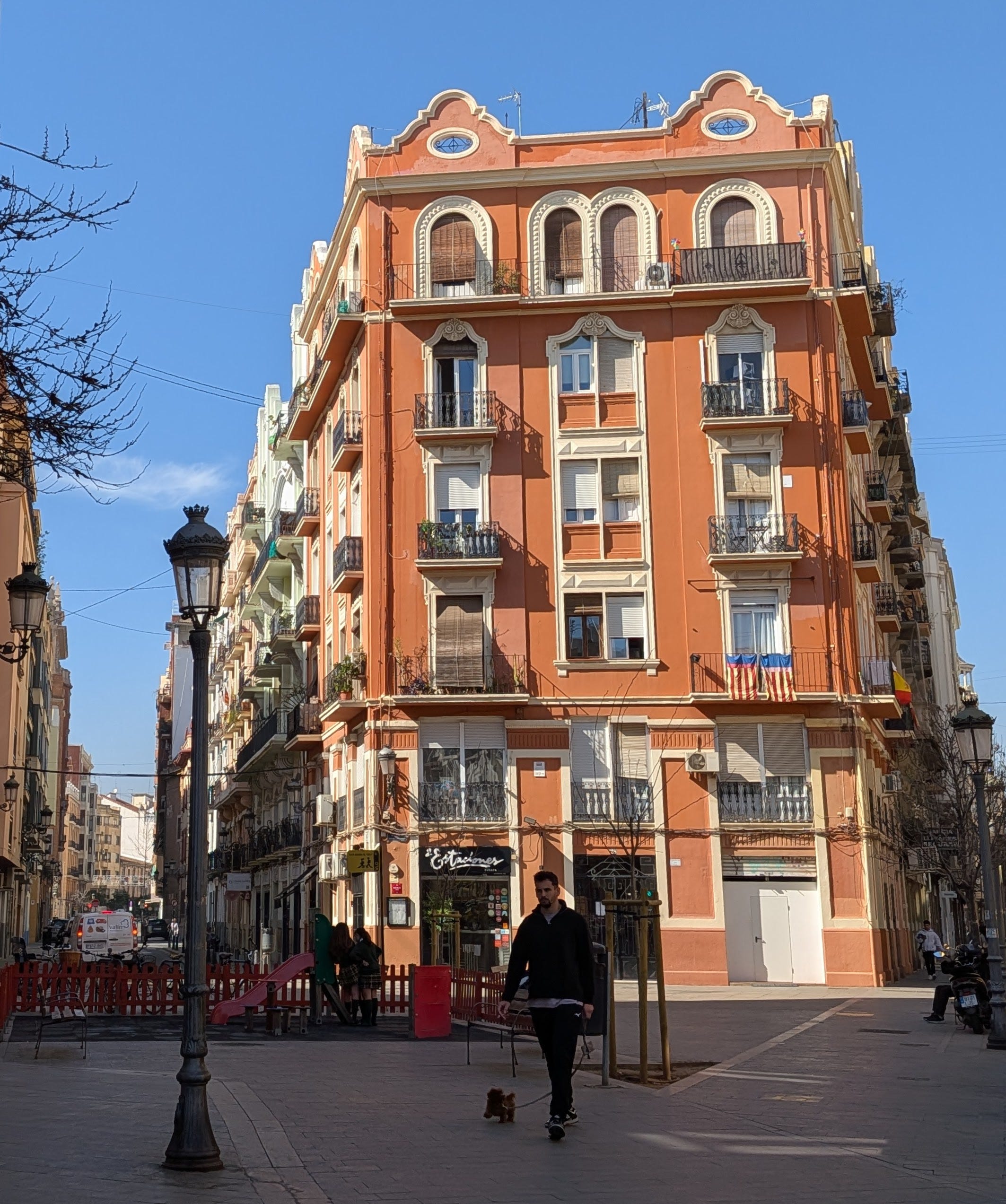
There is what we might call a derivative of urban planning; resource planning.
We have a lot of debate about immigration in Switzerland. Like many countries, we need more people as the birth rate is below the 2.1 necessary to keep population stable.
That often sadly gets over simplified to “therefore all immigration is good, and everybody and anybody who questions immigration in any way whatsoever is a priori far right and a racist. And of course cancelled.”
What gets lost is the real Politik which says that for every 100k increase in population we need teachers, doctors, judges, district attorneys, fireman, hospitals, train drivers and the list goes on.
So I’d offer the view that an important part of things Urban and Planning is resource planning.