

Over the last few weeks I’ve been writing a series of short essays about everyday signals that tell you whether a city works—benches, crosswalks, markets, street noise, and even what happens the morning after a festival.
This essay is the larger argument behind those observations.
It explains why daily life in the United States often feels unnecessarily stressful—and why it doesn’t have to.
In much of the United States, stepping outside your home means entering an environment designed for stress.
Six-lane roads.
Cars accelerating through crosswalks with a sad disregard for everyone’s safety.
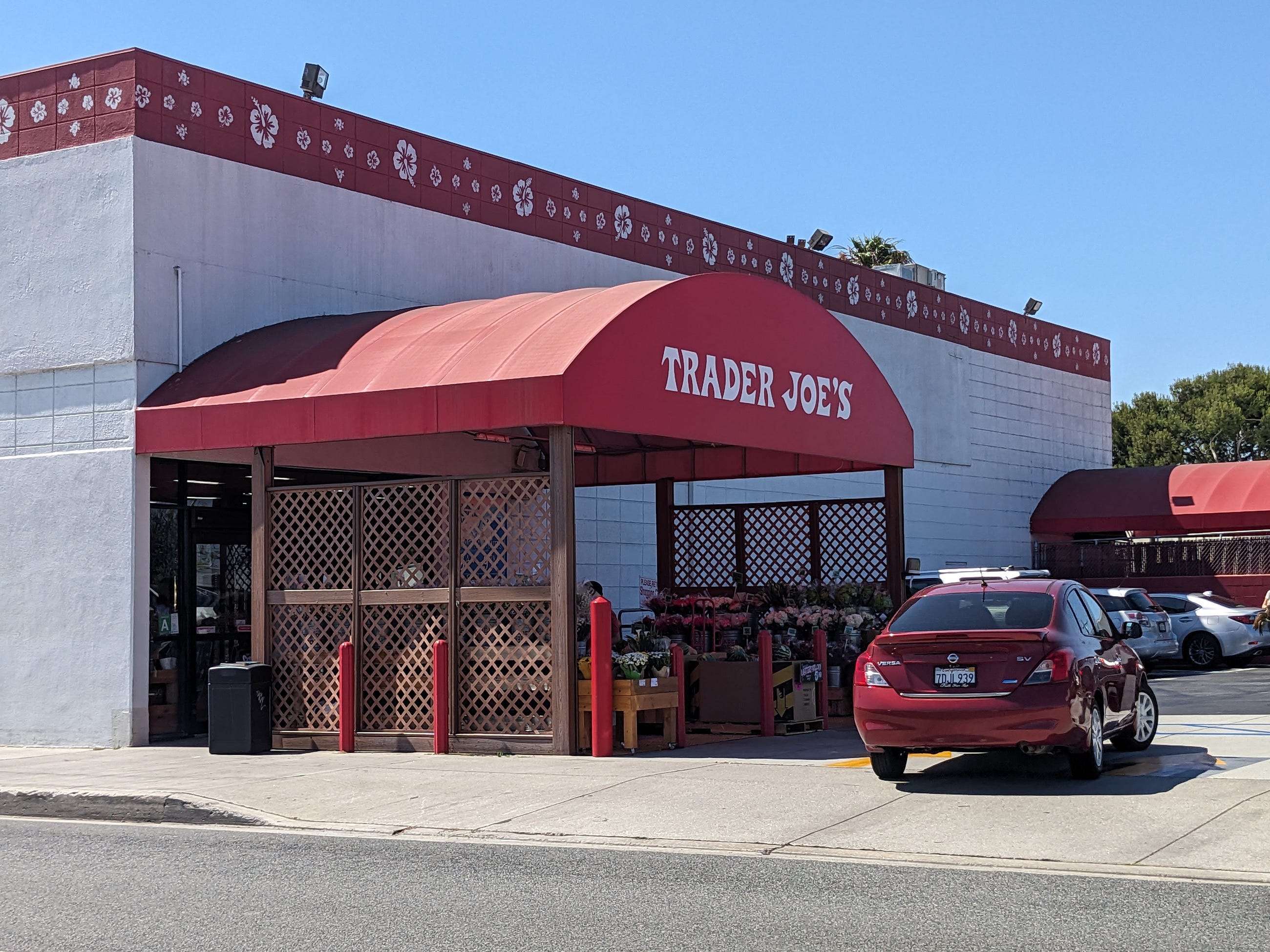
Massive parking lots fronting retail — whether suburban-style development or the LA strip mall model.
None of it feels unusual if you grew up inside it.
It also didn’t happen by accident.
The US didn’t create the mess that is its prevailing urban and suburban environments because it’s so much bigger than Europe or because “Americans love their cars.”
Just like you’re not born to wear pink or blue, you’re not born with the innate urge to crave the so-called freedom of the open road that only four wheels can supposedly deliver.
The American dream is little more than a parable used by marketers — in the government and in corporations — to tell a story about the American people. For better or worse, the chapter about cars and trucks had serious staying power.
Environments shape behavior. And in the middle of the last century, the US went all-in on prescribing an environment that prioritizes separation.
As much of the rest of the world — particularly across Europe — makes it more difficult to drive and favors human-scaled planning, the US seems more intent than ever to continue its failed experiment.
But it comes at a cost.
For years, Americans have called car-centric development a conduit for convenience. It’s anything but.
In fact, the predominant American way of daily life creates unnecessary friction and a cultural hostility that the people living inside it often struggle to explain.
What Americans consider normal is actually the product of decades of planning decisions. Across much of the world, it looks abnormal — if not downright cartoonish.
Why would a society choose to make day-to-day life so inconvenient and unhealthy — for the individual, not to mention the planet — then kick and scream in the face of what has become an objective reality?
The answer isn’t cultural preference. It’s policy.
The American landscape didn’t emerge organically or in the spirit of an old Western movie or 1950s sitcom. It was engineered through zoning codes, highway construction, parking mandates, and decades of planning decisions that prioritized cars over people.
Those planning decisions didn’t just shape streets and neighborhoods.
They shaped how Americans move through the world — and how they relate to one another.
What Americans call convenience has actually turned into a major pain in the ass.
I’ll never forget this one because it perfectly illustrates the inanity.
During the summer of 2024 in Los Angeles — about six months before my wife and I moved to Valencia, Spain — we were driving home from the beach.
We decided to stop at Trader Joe’s.